

Saudi Arabia has begun allowing wealthy foreign residents to purchase alcohol, marking a significant shift after more than seven decades of strict prohibition.

The move expands access beyond diplomats and signals another step in the kingdom’s ongoing economic and social reforms.
A Historic Ban Slowly Eases
Saudi Arabia banned alcohol in 1952. For decades, authorities strictly enforced the prohibition across the kingdom, which is home to Islam’s two holiest sites.
However, Crown Prince Mohammed bin Salman has introduced sweeping reforms in recent years. His administration reopened cinemas, hosted global music events, eased restrictions on women and reduced the powers of the religious police. Officials say these reforms aim to modernise the country and attract foreign investment.
The controlled sale of alcohol now forms part of that broader transformation strategy.
Where Alcohol Sales Are Taking Place
Authorities launched the initiative inside Riyadh’s Diplomatic Quarter, an upscale district that houses embassies and foreign residences.
A discreet, unmarked complex serves as the only approved outlet. The store first opened in January 2024 and initially restricted access to non-Muslim diplomats.
However, new rules introduced quietly at the end of 2025 now allow wealthy non-Muslim expatriates to buy beer, wine and spirits.
Who Qualifies Under the New Policy?
To purchase alcohol legally, expatriates must meet strict requirements.
They must either:
Hold a Premium Residency permit costing 100,000 riyals annually, or
Earn at least 50,000 riyals per month.
Premium Residency typically applies to senior executives, investors and highly skilled professionals.
Buyers must show a residence ID card that states their religion and residency status. Those without Premium Residency must also present a company salary certificate.
Tourists do not qualify under the current policy.
Quiet Rollout and Tight Controls
Authorities have not formally announced the policy expansion. Instead, residents say they learned about it through private networks and word of mouth.
The store does not appear on online maps, and officials limit access strictly.
Inside the outlet, staff seal mobile phones in tamper-proof bags. Customers often wait more than an hour before entering.
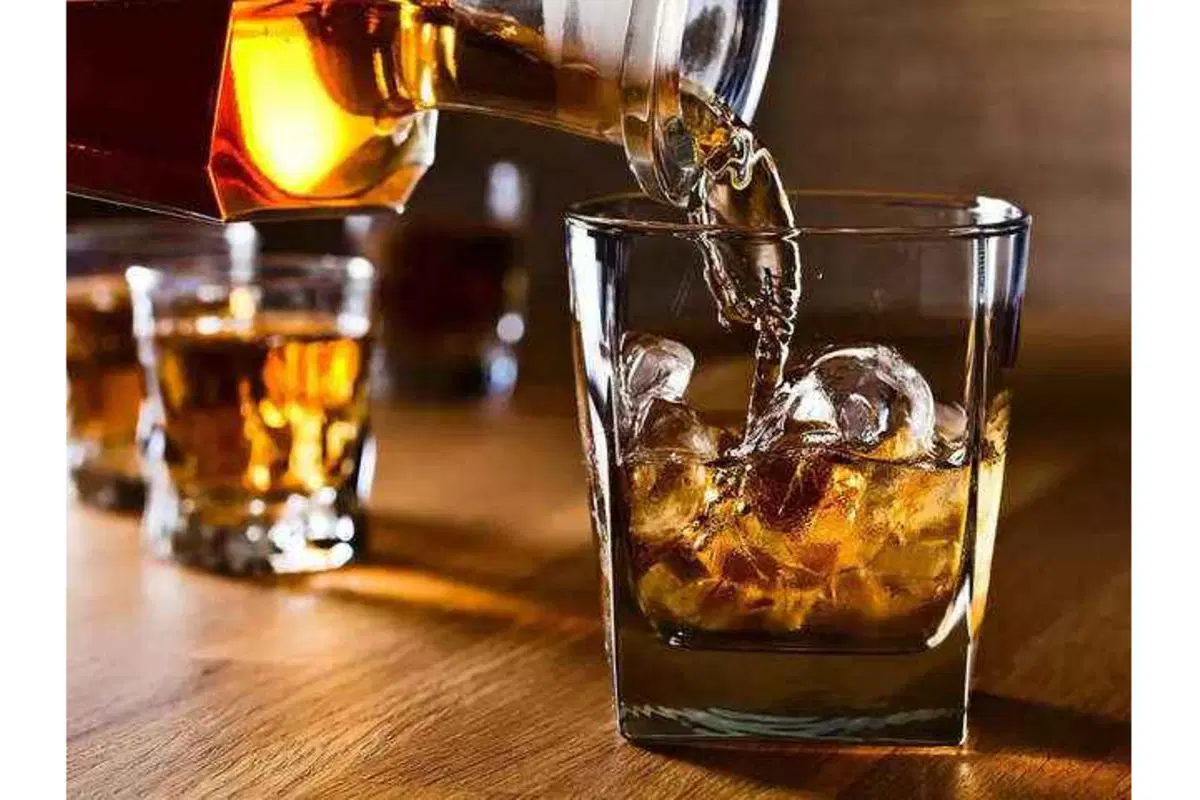
Several expatriates described the shop as well-stocked but expensive. According to buyers, prices range two to three times higher than in Western countries. Still, they remain lower than black-market rates.
One customer said he paid $124 for a bottle of premium whisky but accepted the cost for legal access.
Strict Quotas and Monitoring
Authorities regulate purchases through a points-based monthly quota system. Customers can buy limited quantities of alcohol each month, while diplomats reportedly receive discounted rates.
Officials continue to enforce tight oversight to prevent unauthorised distribution.
What This Means for Saudi Arabia
The policy represents one of the most sensitive reforms in the kingdom’s modern history.
Although the government has not confirmed plans to extend access to tourists, analysts expect further gradual changes as Saudi Arabia prepares to host major international events and expand its tourism sector.
For now, authorities continue to test the policy within controlled limits while balancing reform with cultural and religious considerations.