


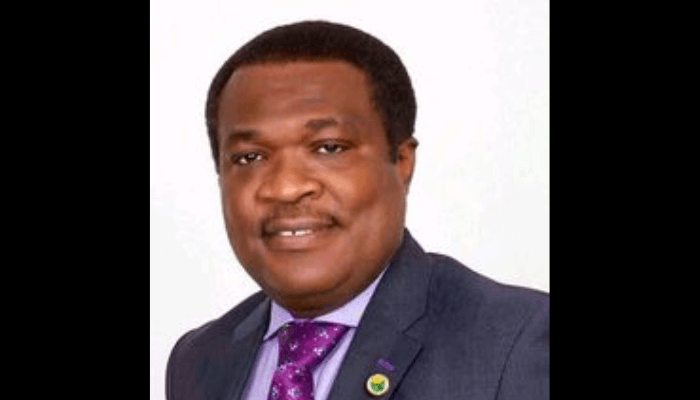
Chairman of Odua Investment Company Limited, Bimbo Ashiru, has urged federal and state authorities to introduce stronger housing policies and deepen public-private partnerships to tackle Nigeria’s estimated 20 million housing deficit.

Ashiru made the call in Lagos at the Wemabod 2026 Real Estate Outlook, themed “Unlocking Land and Infrastructure for Inclusive Housing.”
For insights into Nigeria’s housing policy framework, visit the Federal Ministry of Housing and Urban Development: Here
Why Housing Matters to Nigeria’s Economy
Ashiru described housing as central to economic growth and social stability.
“Housing sits at the intersection of the economy, urbanisation, social equity and multigenerational wealth,” he said.
He noted that while demand for homes continues to rise, supply struggles to keep pace. Developers face major barriers, including:
Limited access to land
Poor infrastructure networks
Inefficient public sector processes
Weak institutional coordination
These challenges, he said, have slowed large-scale housing delivery and widened the affordability gap.
Unlocking Land and Infrastructure
Ashiru stressed that Nigeria must reform land administration systems to make housing more accessible.
He called for:
Improved land titling processes
Faster documentation and approval systems
Reduced transaction bottlenecks
Clearer regulatory coordination
He also highlighted infrastructure as a critical factor. Roads, power, water, drainage, and transport networks, he said, determine whether housing projects become liveable communities.
“Unlocking infrastructure means building foundational systems that make housing accessible and affordable,” he added.
Inclusive Housing for Low- and Middle-Income Earners
Ashiru emphasized that inclusive housing policies must allow low- and middle-income Nigerians to participate in the property market.
He advocated for affordable housing schemes, targeted incentives for developers, and increased investment flows into real estate.
Former Vice President Yemi Osinbajo delivered the keynote address at the event, reinforcing the need for coordinated reforms to address structural housing barriers.
Call for Coordinated Planning
Other speakers at the forum, including Nureni Oladipo Adisa and Bashir Oladunni of Wemabod Limited, urged policymakers to integrate land reform, infrastructure development, and regional planning.
They stressed that cities, towns, and states must align strategies to build connected and resilient communities.
Experts at the event agreed that housing development can stimulate job creation, strengthen urban growth, and drive long-term economic inclusion if properly managed.
The Bigger Picture
Nigeria’s housing deficit remains one of the largest in Africa. Rapid urbanisation, population growth, and rising construction costs continue to increase pressure on the property market.
Industry leaders argue that without structural reforms, millions of Nigerians will remain excluded from home ownership.
Ashiru’s remarks add to growing calls for bold reforms that link land accessibility, infrastructure investment, and private sector participation to close the housing gap.